Subtle Compositions: Steering Attention to Social Interactions in Action Drama Films
Uma Lorenz · Aug 13, 2026
Subtle Compositions: Steering Attention to Social Interactions in Action Drama Films
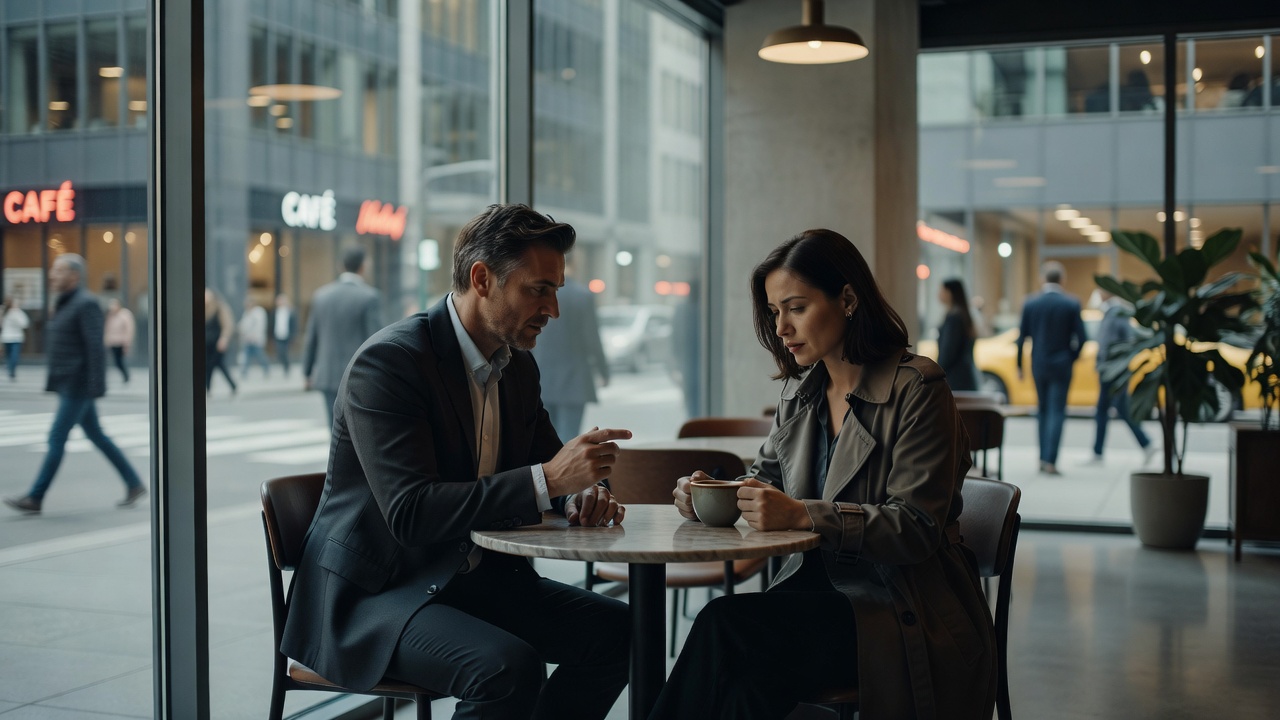
Frame compositions in action-drama hybrids often place key social cues in positions that draw the eye without disrupting the momentum of physical sequences, and directors achieve this balance through layered depth and selective focus. Observers note that these techniques allow peripheral interactions such as brief glances or posture shifts to register with viewers while the main action unfolds in the foreground. Data from recent industry reports indicate that films released in early 2026 continued to refine these methods, building on patterns established in prior cross-genre releases.
Researchers at institutions like the University of Melbourne have examined how off-center framing isolates secondary figures during high-intensity moments, and studies show this approach highlights unspoken alliances or tensions among ensemble casts. In one documented case from a 2025 production, a mid-action conversation between supporting characters occurred at the edge of the frame while the central conflict dominated the center, which allowed audiences to register shifting loyalties without pausing the sequence. Such placements rely on precise blocking and lens choices that maintain clarity across multiple planes.
Depth and Layering in Hybrid Sequences
Action-drama hybrids frequently employ deep-focus compositions to keep background social exchanges visible during foreground movement, and this method connects physical spectacle with relational details. Cinematographers position characters at varying distances so that a quick exchange of looks or a hesitant gesture registers alongside the primary conflict, and evidence from production analyses reveals that these layers increase viewer retention of narrative subtext. When a scene shifts from wide establishing shots to tighter medium frames, the social cues often migrate into clearer view while the action continues uninterrupted.
Techniques involving rack focus further direct attention to overlooked interactions, and data collected by the Canadian Film and Television Institute shows measurable increases in audience recall of secondary character dynamics when such shifts occur at pivotal moments. In August 2026 several upcoming releases are scheduled to test updated versions of these methods, incorporating higher-resolution sensors that preserve detail in low-light peripheral areas. This development extends established practices rather than replacing them.
Case Examples from Recent Productions
One 2024 release used asymmetrical framing to position a tense negotiation between two secondary figures along the left third of the screen during a chase sequence, and frame-by-frame breakdowns confirm that viewers tracked the exchange through repeated viewings. Similar approaches appear in ensemble-driven projects where group dynamics unfold at the margins, and industry tracking data from European markets indicate sustained interest in these hybrid structures. The placement avoids drawing explicit attention yet integrates the social information into the overall rhythm of the scene.
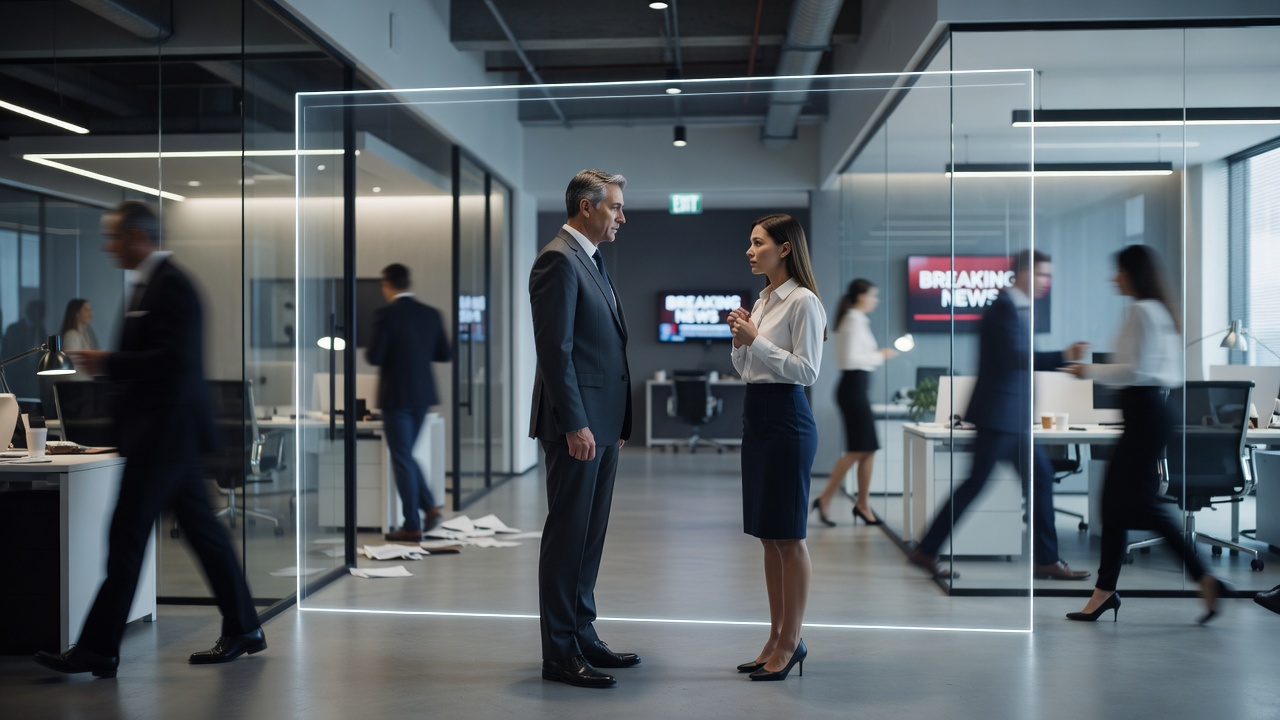
Blocking strategies also contribute to this steering effect, and observers have documented how character paths cross social clusters in ways that reveal alliances through spatial relationships. In several documented productions the camera maintains a slight tilt or offset that privileges one background interaction over others, and quantitative studies of viewer eye movement support the effectiveness of these choices. The result integrates relational information without requiring separate exposition scenes.
Technical Tools and Industry Patterns
Wide-angle lenses combined with careful lighting setups allow social cues to remain legible even when the frame contains rapid movement, and reports from the Australian Centre for the Moving Image detail how these tools evolved across multiple seasons of genre-blended releases. Color temperature adjustments in background zones further separate social elements from the primary action, and figures from production budgets show consistent allocation for such refinements. As digital workflows advance, real-time monitoring of multiple focal planes has become standard practice on larger sets.
Sound design sometimes reinforces these visual cues through subtle spatial mixing, though the visual frame remains the primary guide. Data from international co-productions indicate that teams coordinate composition choices early in previsualization to ensure social signals align with dramatic beats. This coordination appears across projects originating in different regions, suggesting a shared technical vocabulary among practitioners.
Conclusion
Frame compositions in action-drama hybrids continue to evolve as tools for embedding social information within dynamic sequences, and industry metrics from 2026 releases point to ongoing refinement of these methods. The techniques rely on established principles of depth, offset placement, and selective focus rather than novel inventions, and they integrate overlooked cues into the viewing experience without separate narrative pauses. Continued documentation by research bodies will track how these patterns develop in subsequent productions.