Quiet Production Design Decisions Shaping How Viewers Perceive Genre-Blending Award Nominees
Zara Müller · Aug 18, 2026
Quiet Production Design Decisions Shaping How Viewers Perceive Genre-Blending Award Nominees
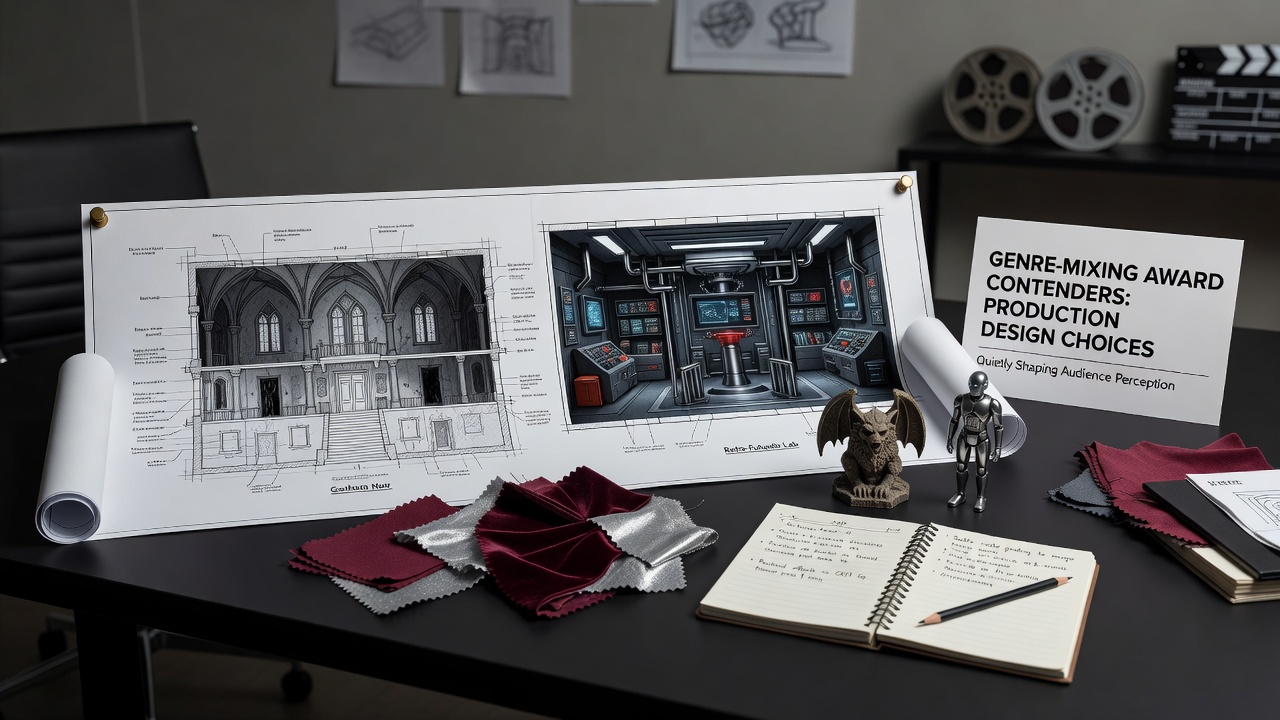
Production design choices in films that blend multiple genres often operate below the surface of conscious awareness yet guide how audiences interpret character motives and narrative stakes according to industry analyses from 2025. These elements include spatial arrangements, material textures, and architectural details that support both dramatic tension and speculative world-building in the same frame while researchers at the University of Southern California have documented patterns across recent award cycles where such choices correlate with higher viewer engagement metrics.
Observers note that set layouts frequently establish emotional baselines before dialogue or action sequences begin and in cross-genre contenders these layouts merge realistic domestic spaces with stylized intrusions that signal genre shifts without overt exposition. Data from festival screenings shows that audiences retain more plot information when physical environments reinforce thematic contrasts through subtle cues like mismatched furniture scales or lighting fixtures that cast competing shadows.
Spatial Arrangements and Genre Transitions
Design teams working on award contenders often divide interior spaces into zones that reflect competing genre demands and one common approach places everyday household objects alongside futuristic interface panels in the same room. This juxtaposition allows viewers to track shifts from intimate character drama into broader speculative elements while a 2024 report issued by the Australian Centre for the Moving Image tracked how such spatial layering influenced retention rates during test screenings of hybrid releases. Those measurements indicated stronger emotional investment when production designers maintained consistent architectural rules across both realistic and heightened sections of the set.
Case examples from recent seasons reveal that doorway placements and corridor lengths serve as visual punctuation marks guiding attention from one genre mode to another and filmmakers achieve this by aligning sightlines with key props that carry narrative weight. Viewers process these transitions more fluidly when the underlying floor plans remain logically consistent even as decorative elements change tone.
Material Textures Conveying Subtext
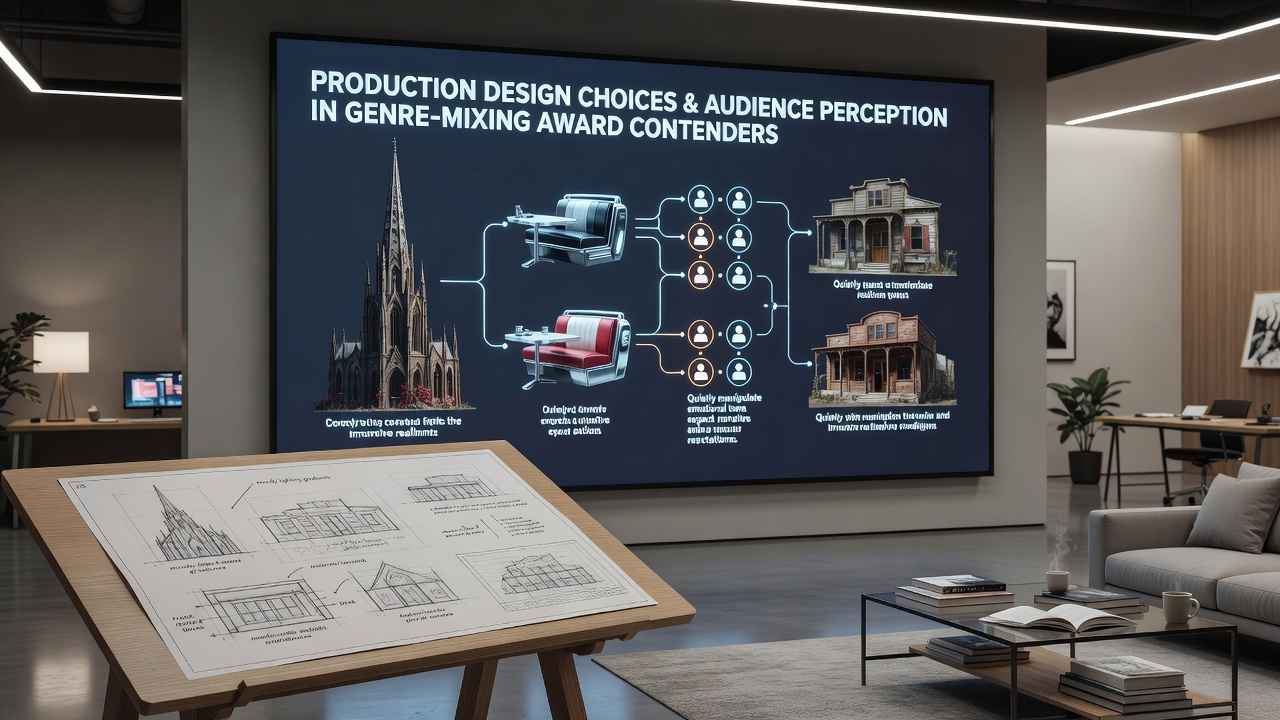
Texture selections in production design further modulate audience perception by contrasting tactile surfaces that evoke warmth or alienation and in genre-mixing projects designers pair worn wooden surfaces with cold metallic accents to underscore character conflicts that span dramatic and action-oriented sequences. Evidence gathered from eye-tracking studies conducted in European film laboratories demonstrates that viewers spend additional time examining these material contrasts during pivotal scenes and this extended attention correlates with deeper thematic comprehension.
Production teams achieve layered effects through material layering rather than color alone and the approach allows films to maintain visual coherence across tonal shifts that would otherwise disrupt immersion. Observers have recorded similar strategies in multiple projects competing during the 2026 awards season where texture details quietly established character backstories before any verbal explanation occurred.
Architectural Details Guiding Emotional Investment
Architectural motifs such as window placements, ceiling heights, and wall divisions function as silent narrative tools in blended-genre award contenders and these features often reflect the internal states of characters navigating between personal relationships and larger external conflicts. Research compiled by Canadian film institutes in early 2026 highlights how recurring architectural patterns help audiences anticipate genre pivots while preserving suspension of disbelief across extended runtimes.
Designers frequently repeat specific structural elements with minor variations to signal character development and this repetition builds viewer familiarity that supports emotional payoff during key crossover moments. The technique proves especially effective in films that alternate between grounded interpersonal scenes and sequences requiring heightened visual logic.
Integration With Broader Production Elements
Production design intersects with costume and lighting departments to create unified perceptual frameworks and successful award contenders coordinate these elements so that set details amplify rather than compete with other visual storytelling layers. Figures released by international film commissions in August 2026 show increased collaboration time allocated to design departments during pre-production phases of genre-hybrid projects and this investment aligns with improved critical reception patterns documented across multiple markets.
Those patterns suggest that cohesive environmental storytelling contributes to audience investment that extends beyond initial viewings into awards consideration cycles. Teams achieve this cohesion by establishing modular set components that adapt across tonal registers without requiring major rebuilds between shooting blocks.
Conclusion
Production design choices continue to exert measurable influence on how audiences decode genre-mixing award contenders through spatial, textural, and architectural decisions that operate largely outside explicit awareness. Studies from multiple regions document consistent correlations between these design strategies and viewer engagement outcomes across recent release cycles. As hybrid projects maintain prominence in awards conversations the role of these understated elements remains central to shaping interpretive frameworks that support both commercial performance and critical recognition.