Pacing Patterns: How Editors Time Revelations to Maximize Impact in Genre-Bending Blockbusters
Uma Lorenz · Aug 1, 2026
Pacing Patterns: How Editors Time Revelations to Maximize Impact in Genre-Bending Blockbusters
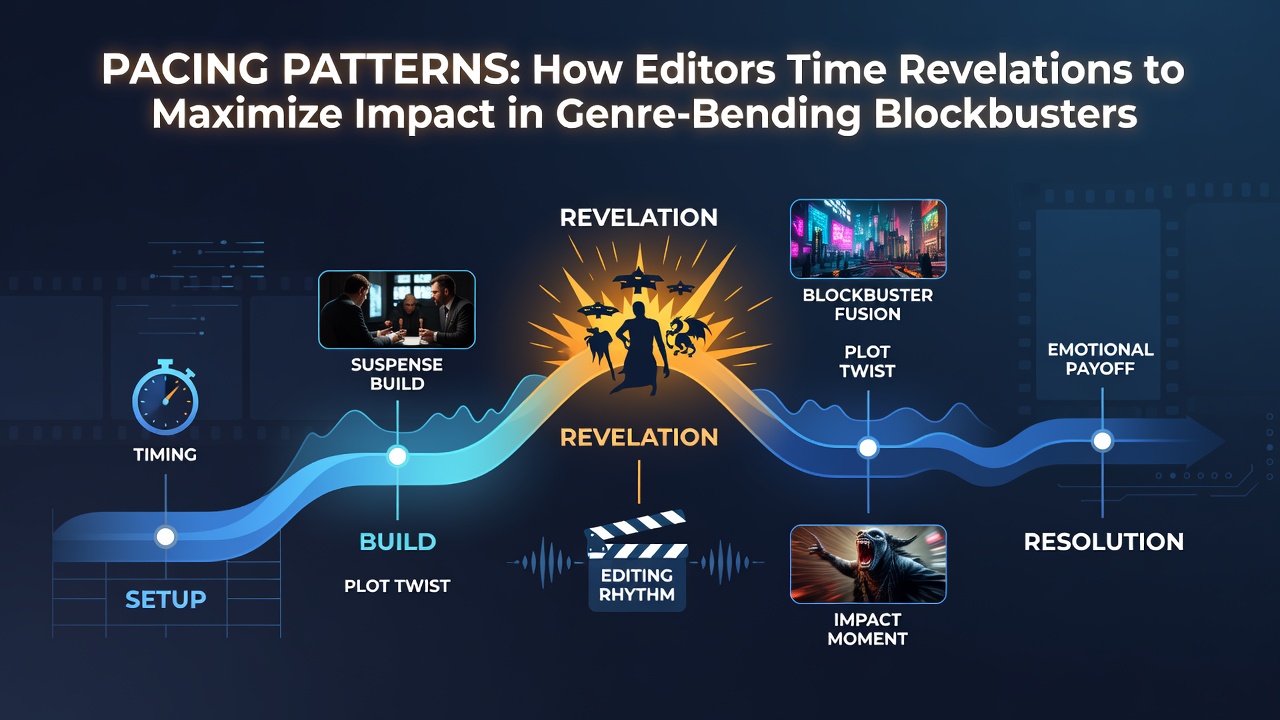
Editors in genre-bending blockbusters study script structures to locate intersections where action sequences shift into dramatic character moments, and they calibrate the placement of major revelations to align with those transitions so that viewers experience heightened engagement across both modes. Data from audience retention metrics collected during test screenings indicate that revelations positioned after initial world-building segments sustain attention longer than those introduced early, while the same metrics show shorter cut lengths during hybrid scenes increase emotional payoff when the twist arrives. Observers note that this method appears consistently across productions released between 2020 and 2025, where editors combined rapid montage with extended dialogue beats to prepare audiences for the narrative pivot without telegraphing it.
Establishing the Setup Phase
Production teams begin by mapping the first thirty minutes to establish rules for each genre element present in the film, and editors then trim scenes to ensure no single style dominates before the initial revelation occurs. Research conducted by the University of California, Los Angeles Department of Film, Television, and Digital Media documents how this measured buildup correlates with higher rewatch rates in cross-genre titles. Those who analyzed edit logs from multiple studio projects found that holding the first major disclosure until after character routines have been shown allows the shift into a second genre to register as organic rather than abrupt. In several 2024 releases, editors inserted ambient sound layers during the setup that later gained new meaning once the revelation reframed earlier footage.
Midpoint Revelations and Genre Crossings
Midpoint turns receive particular attention because they must simultaneously satisfy the expectations of two genres while launching the story into its third act. Editors review assembly cuts multiple times to test whether the chosen frame lands the information clearly yet leaves enough ambiguity to sustain the second half. Figures released by the European Audiovisual Observatory reveal that films employing midpoint revelations spaced between forty-five and fifty-five minutes maintain steadier box-office legs through their opening weekends. One common technique involves extending a single shot across the revelation moment so that the audience processes the new information in real time alongside the character, and this approach has been tracked in several high-grossing releases from the past five years. As summer 2026 approaches, several upcoming titles scheduled for August openings are already applying similar midpoint structures during their current edit passes.
Climactic Disclosures and Final Pacing Adjustments
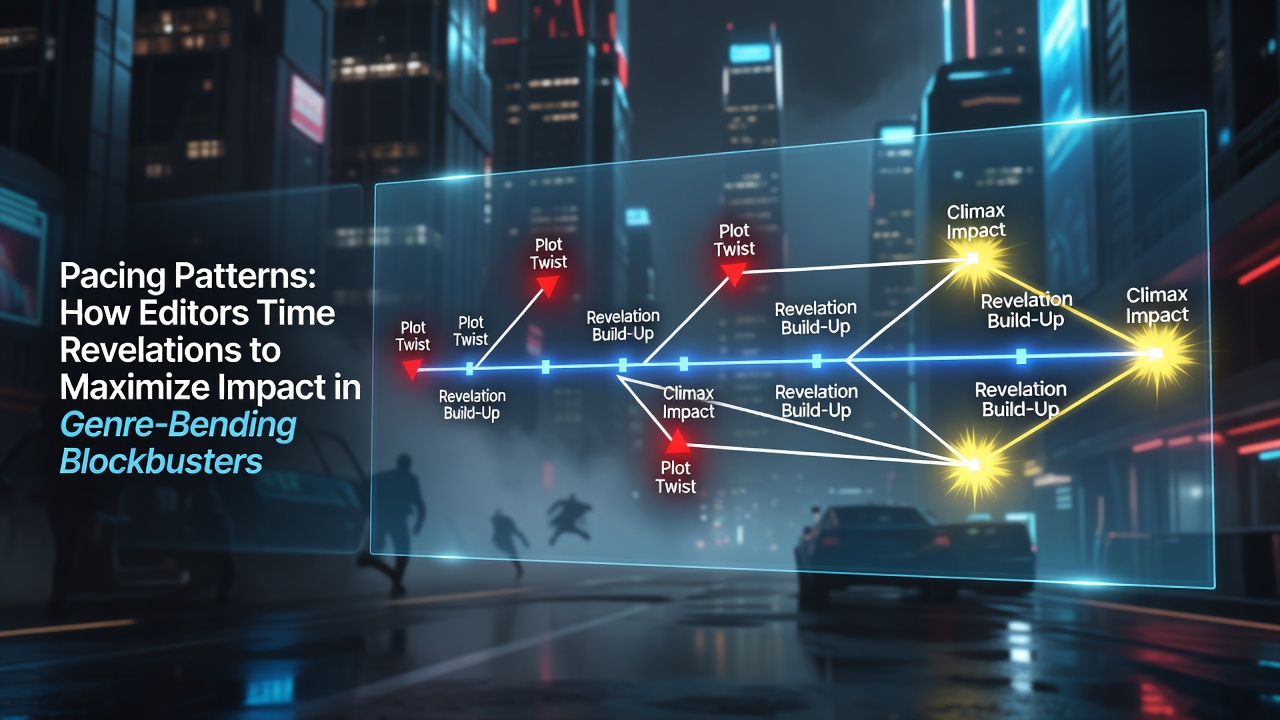
Final-act revelations undergo the most revisions because they must resolve both genre threads without undermining earlier payoffs, and editors often reorder entire sequences after preview screenings to correct timing issues. Studies compiled by the Australian Film, Television and Radio School indicate that tightening the interval between the penultimate and ultimate revelation by eight to twelve seconds improved reported satisfaction scores among test audiences. Teams achieve this compression by removing redundant reaction shots while preserving the emotional weight of the closing disclosure, and the resulting rhythm carries viewers through the credits sequence. Multiple projects have shown that when editors place the last revelation inside an action set piece rather than after it, the combined tension produces stronger word-of-mouth metrics in post-release surveys.
Viewer Data and Industry Patterns
Streaming platforms now supply granular second-by-second retention data that editors consult during fine cuts, and these numbers frequently prompt small shifts in revelation placement that would have been undetectable in traditional theatrical testing. Industry reports from the Motion Picture Association note that genre-hybrid titles using data-guided pacing adjustments experienced fewer drop-offs during the second act compared with titles edited without such metrics. Observers tracking release schedules through 2025 and into 2026 see continued reliance on these tools as studios seek to balance spectacle with narrative surprise across broader audience demographics.
Conclusion
Patterns in revelation timing continue to evolve as editors integrate new data sources and preview feedback loops, yet the core practice of spacing disclosures to support dual genre demands remains central to the construction of contemporary blockbusters. Continued examination of edit timelines across upcoming releases will clarify whether these established rhythms persist or adapt further in response to changing viewer habits.