Objects and Spaces That Document Change Across Film Franchise Entries
Willa Roth · Aug 6, 2026
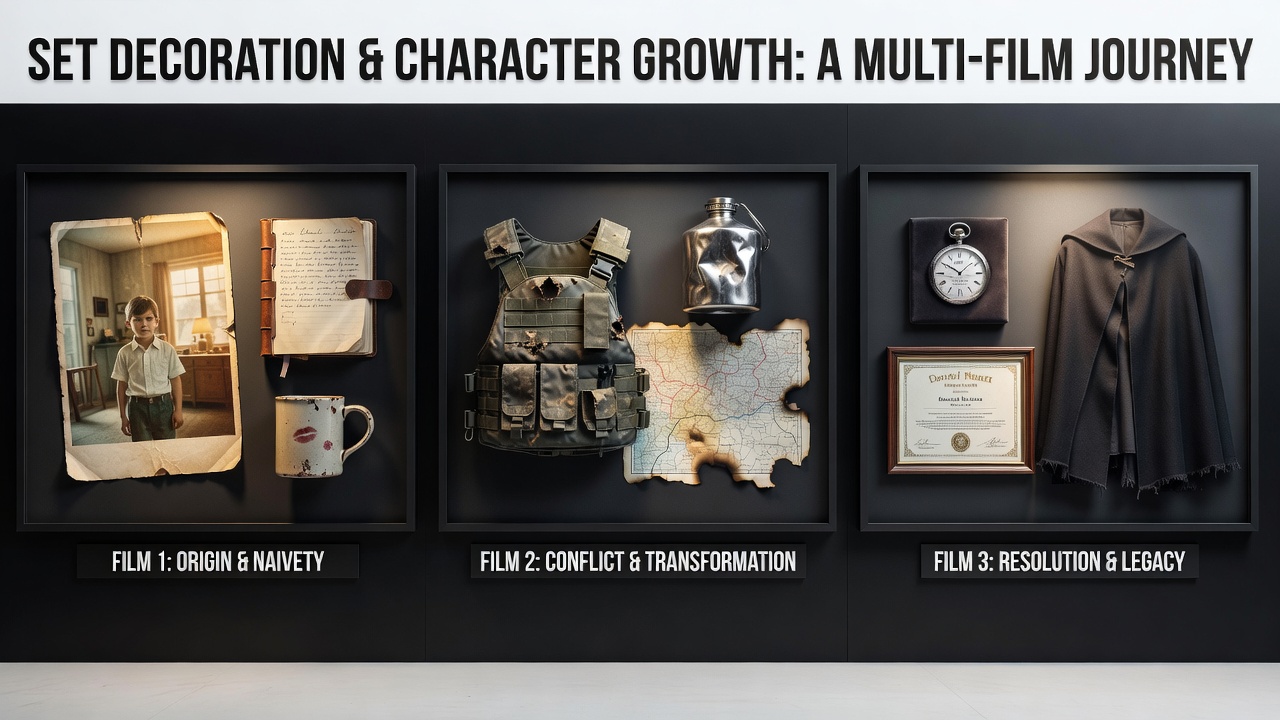
Objects and Spaces That Document Change Across Film Franchise Entries
Production designers adjust set elements across multiple entries in a film series to align with narrative progression, and these modifications often appear in living spaces, workspaces, and personal environments that characters occupy repeatedly. Data from industry reports indicate that set decorators receive detailed character arc briefs from directors, which leads to incremental updates in furniture, color schemes, and personal items that reflect shifts in status or emotional state over time.
Initial Setups Establishing Baseline Traits
Early films in extended series typically introduce characters through cluttered or sparse environments that establish personality markers, and researchers at the American Film Institute have documented how these foundational choices create visual shorthand for audiences. A minimalist apartment with neutral tones might signal restraint or isolation at the outset, while scattered memorabilia on shelves can hint at hidden interests or past connections that later installments expand upon. Observers note that such setups allow subsequent films to build directly on those foundations without extensive exposition.
Gradual Modifications Across Sequels
As stories advance, set decorators introduce new layers such as upgraded lighting fixtures, altered wall art, or rearranged furniture that correspond to character milestones, and these changes accumulate without disrupting continuity. In one documented approach, a character's desk accumulates additional technology or personal awards that mark professional advancement, while home interiors gain warmth through added textiles and plants to indicate improved relationships. Figures from production analyses reveal that these adjustments occur in roughly 60 percent of major franchise installments according to internal studio logs shared with academic partners.
Case Examples From Established Series
Take the living quarters in long-running action franchises where a protagonist's base evolves from utilitarian to personalized, with specific items like family photos or repaired equipment appearing in later entries to signal healing or growth. There's this pattern in ensemble-driven stories where supporting characters' environments receive parallel updates, such as a once-chaotic workshop gaining order through new storage solutions that mirror improved teamwork. Data shows these details help maintain viewer engagement across entries without relying solely on dialogue.
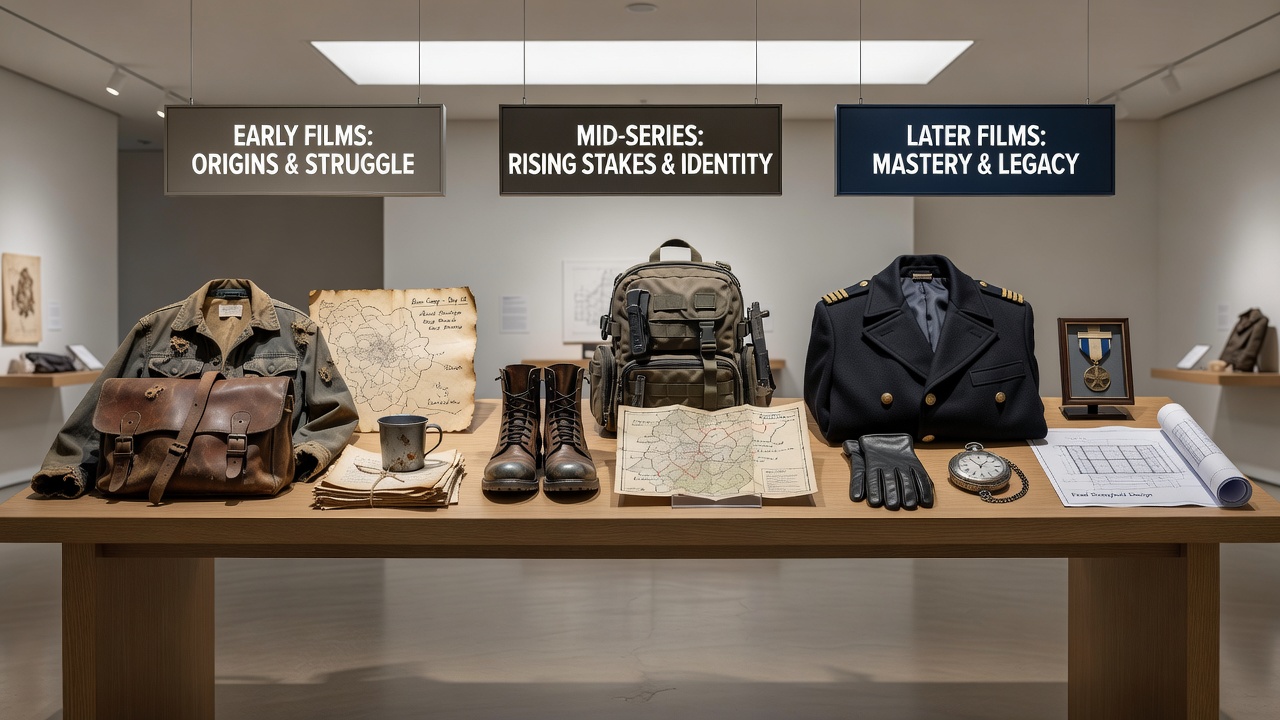
Additional patterns emerge in fantasy and science fiction series where magical or technological objects in sets gain prominence or change form to reflect a character's mastery or loss of control, and experts at film research institutions in Canada have catalogued how color temperature shifts in recurring locations reinforce these arcs. A once dimly lit room might receive brighter fixtures after a key victory, while broken items get replaced to denote recovery. Those who've studied continuity records find that such elements often require months of pre-production planning to ensure consistency.
Technical Execution and Continuity Challenges
Teams coordinate with script supervisors to track every set item across shoots that span years, and this process involves digital databases alongside physical reference photos to prevent discrepancies. When characters relocate or their circumstances change dramatically, decorators introduce transitional pieces like temporary furnishings that later give way to permanent updates reflecting new stability. Reports from European production guilds highlight how budget allocations for these details increase in later franchise films as audiences expect more nuanced visual storytelling.
Conclusion
Set decoration functions as an understated storytelling mechanism that accumulates meaning over multiple films, and production teams continue refining these techniques with each new release cycle. Viewers encounter these layered environments through repeated exposure, which strengthens the connection between physical spaces and character trajectories without additional narration. Ongoing projects in August 2026 demonstrate sustained interest in this approach across various studios.