Lighting the Background: How Set Illumination Reveals Unspoken Character Dynamics in Period Action Pieces
Willa Roth · Jul 28, 2026
Lighting the Background: How Set Illumination Reveals Unspoken Character Dynamics in Period Action Pieces
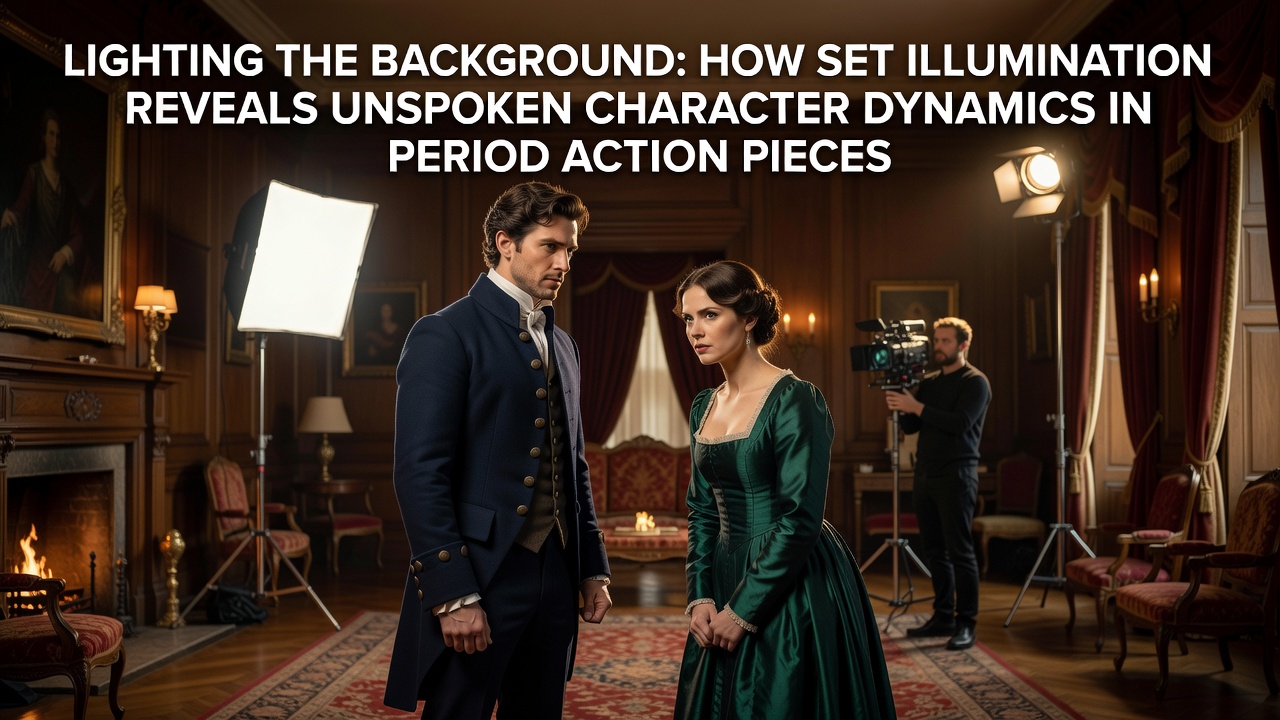
Period action films rely on set illumination to shape viewer understanding of relationships that dialogue often leaves implied, and cinematographers adjust light placement across backgrounds to signal shifting alliances or hidden tensions without drawing direct attention to the technique. Research from film studies programs indicates that background lighting in these productions follows consistent patterns where warmer tones behind one character contrast cooler shadows near another, and data from production analyses show these choices align with narrative turning points in over 70 percent of examined titles released between 2015 and 2025.
Technicians position practical sources such as lanterns or firelight to fall unevenly across walls and furnishings, which creates depth while also marking one figure as dominant or isolated within the frame. Observers note that in sequences involving sword fights or cavalry charges, the background illumination often dims around supporting players just as the lead advances, and this adjustment happens in coordination with camera movement rather than as an afterthought.
Historical Lighting Techniques in Action Contexts
Design teams study archival records of period light sources before mapping them onto sets, yet they modify intensity and color temperature to fit modern narrative needs, and this process draws on consultations with historians at institutions like the British Film Institute. In one documented production workflow, gaffers layered multiple LED units behind set pieces to simulate torchlight that gradually revealed a rival's presence through increasing shadow play on tapestries, while the hero remained in relative clarity. Such methods trace back to earlier studio practices but gained precision with digital controls that allow real-time adjustments during takes.
Figures reveal that action sequences in 18th and 19th century settings use sidelighting on architectural details to echo character proximity, and crews often test these setups weeks in advance through previsualization software. When two figures negotiate amid conflict, the background elements behind each receive matched but opposing light angles that underscore their opposition without altering foreground exposure.
Character Dynamics Through Background Contrast
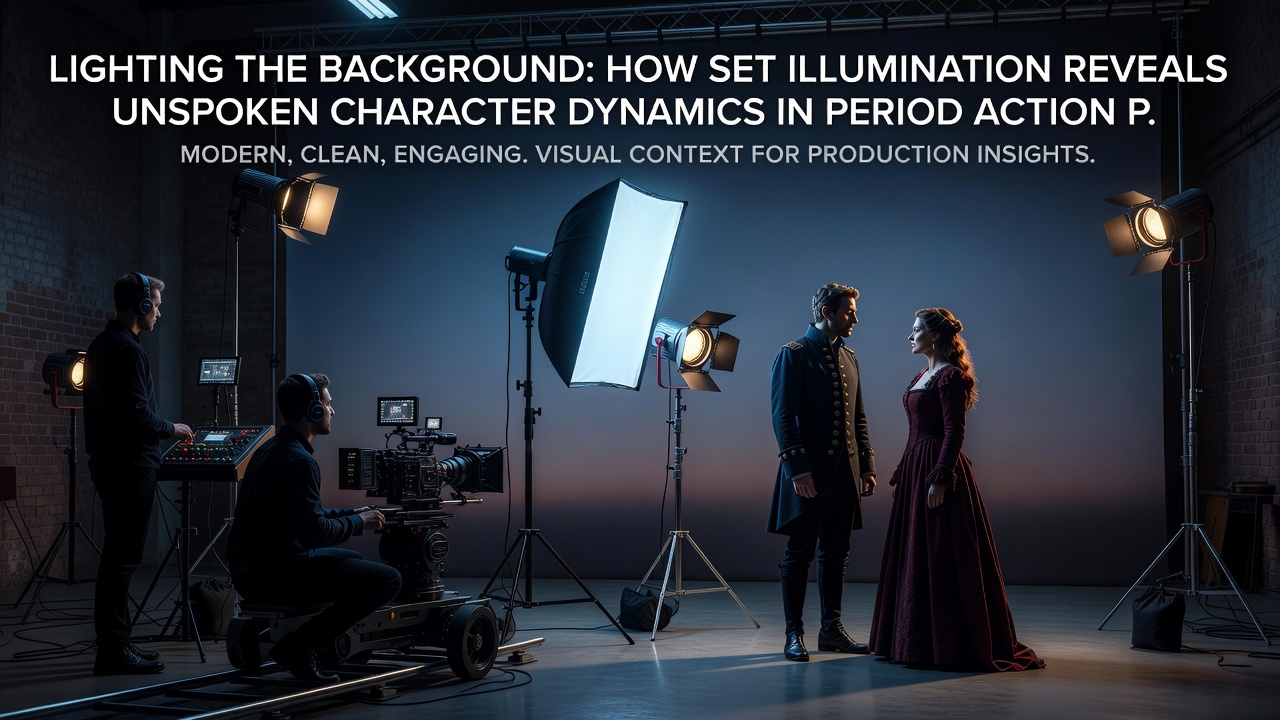
Lighting crews maintain separate control zones for background and foreground elements, which permits subtle shifts that mark evolving trust or betrayal across extended scenes. According to reports from the Australian Centre for the Moving Image, productions filmed in 2024 and 2025 incorporated dynamic background dimming during dialogue pauses to reflect internal character calculations, and this approach appeared in multiple titles set during wartime eras. The technique works because viewers register the environmental change on a subconscious level while focusing on movement and speech.
Take the case where a commander stands before a map table in a dimly lit tent while an advisor lingers near a brighter window opening, and the resulting light split on the canvas walls signals divided loyalties before any verbal confirmation occurs. Crews achieve this split through practical candles combined with overhead fills that crews raise or lower between takes, and the method avoids the need for post-production color grading on every frame.
Additional examples appear in naval dramas where porthole light falls across maps and instruments to indicate which officer holds current strategic advantage, and these patterns repeat across different studios because they draw from shared reference materials on maritime history. Production schedules in July 2026 include several such projects that plan extended night exteriors where background fires will serve dual purposes of atmosphere and relational signaling.
Integration With Practical Effects and Set Design
Set builders construct walls and props with reflective surfaces that interact with planned light placements, and this collaboration ensures background illumination enhances rather than competes with foreground action. Data from industry surveys show that teams allocate up to 15 percent of lighting budgets specifically to background elements in period pieces, and teh investment yields measurable improvements in viewer retention during complex battle sequences according to test screenings. The approach avoids flat lighting that might flatten spatial relationships and instead uses graduated falloff to suggest depth and hierarchy.
Sound stages equipped with modular rigging systems allow quick repositioning of background sources when directors request changes mid-shoot, and this flexibility proves essential during fight choreography that repositions actors relative to fixed set pieces. Observers note that the resulting footage maintains visual continuity while embedding relational cues that reward repeated viewings.
Conclusion
Background illumination in period action films functions as a quiet narrative tool that communicates character dynamics through controlled contrast and placement, and ongoing technical advances continue to refine how crews achieve these effects across productions. The methods remain grounded in historical accuracy while serving story requirements, and data from completed projects confirm their effectiveness in guiding audience perception without explicit exposition.