Global Rollout Phases Adjusting Audience Anticipation in Cross-Genre Ensemble Releases
Zara Müller · Oct 21, 2026
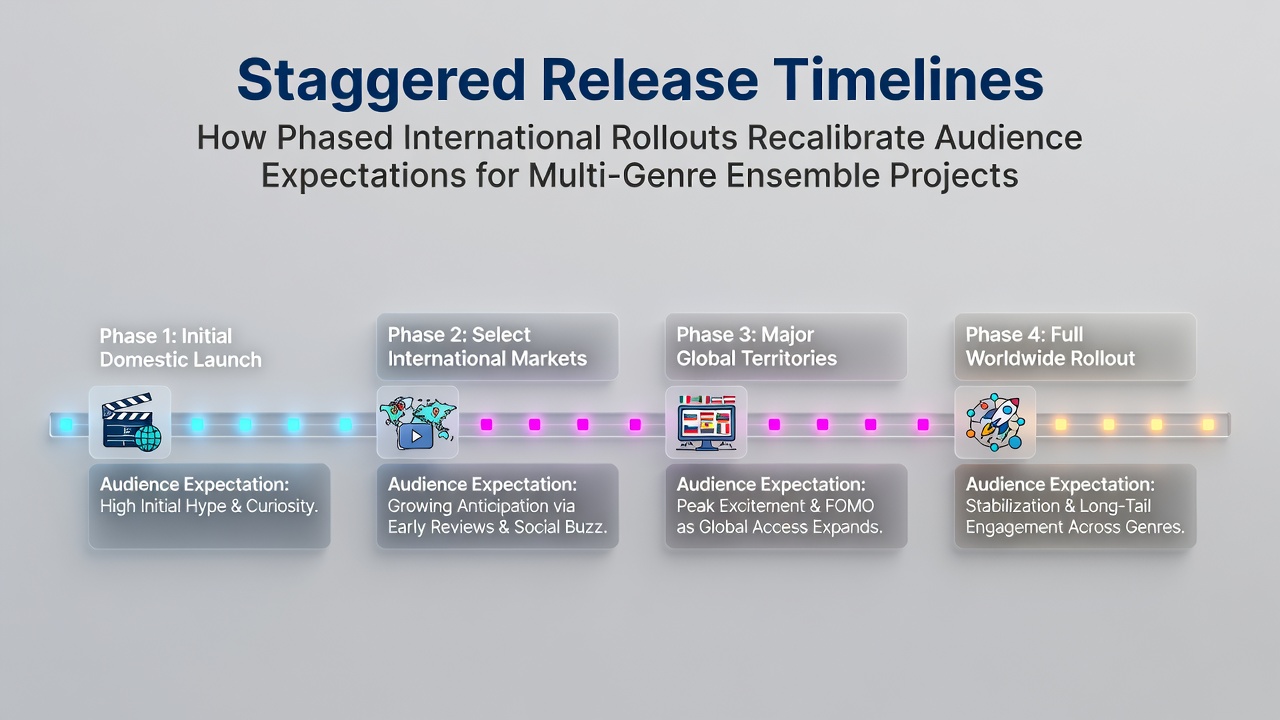
Global Rollout Phases Adjusting Audience Anticipation in Cross-Genre Ensemble Releases
Staggered international release schedules have become standard practice for multi-genre ensemble films, where production teams coordinate phased premieres across regions to manage marketing resources and local market conditions. Data from industry tracking services show that these timelines often span several weeks or months between the first market debut and wider availability, which in turn shapes how viewers form expectations around plot developments, cast dynamics, and tonal shifts between action, drama, and comedy elements.
Mechanics of Phased Distribution Strategies
Distribution companies typically launch ensemble projects in key territories such as North America or select European markets before expanding to Asia, Latin America, and additional regions, and this sequence allows studios to adjust promotional materials based on early performance metrics. Research indicates that release gaps of two to eight weeks between markets give local exhibitors time to calibrate theater allocations while audiences in later territories encounter teaser campaigns that already incorporate feedback from initial screenings. Observers note that for films blending multiple genres, these intervals provide opportunities to emphasize specific aspects like character interactions or visual set pieces in subsequent marketing pushes, recalibrating viewer focus away from broad hype toward targeted details.
Viewer Expectation Shifts Across Markets
Audience anticipation evolves as word spreads through social platforms and reviews from early release zones, and studies from film research institutions reveal that viewers in delayed markets often refine their predictions about narrative payoffs after seeing region-specific trailers or cast interviews. In October 2026 several major ensemble titles followed this pattern, with staggered dates creating distinct expectation cycles where initial audiences discussed genre balance while later groups anticipated refined versions informed by those conversations. Figures from box office analysts demonstrate that such recalibration frequently leads to higher engagement in secondary markets when promotional adjustments highlight elements that resonated strongly elsewhere, such as ensemble chemistry or crossover plot threads.
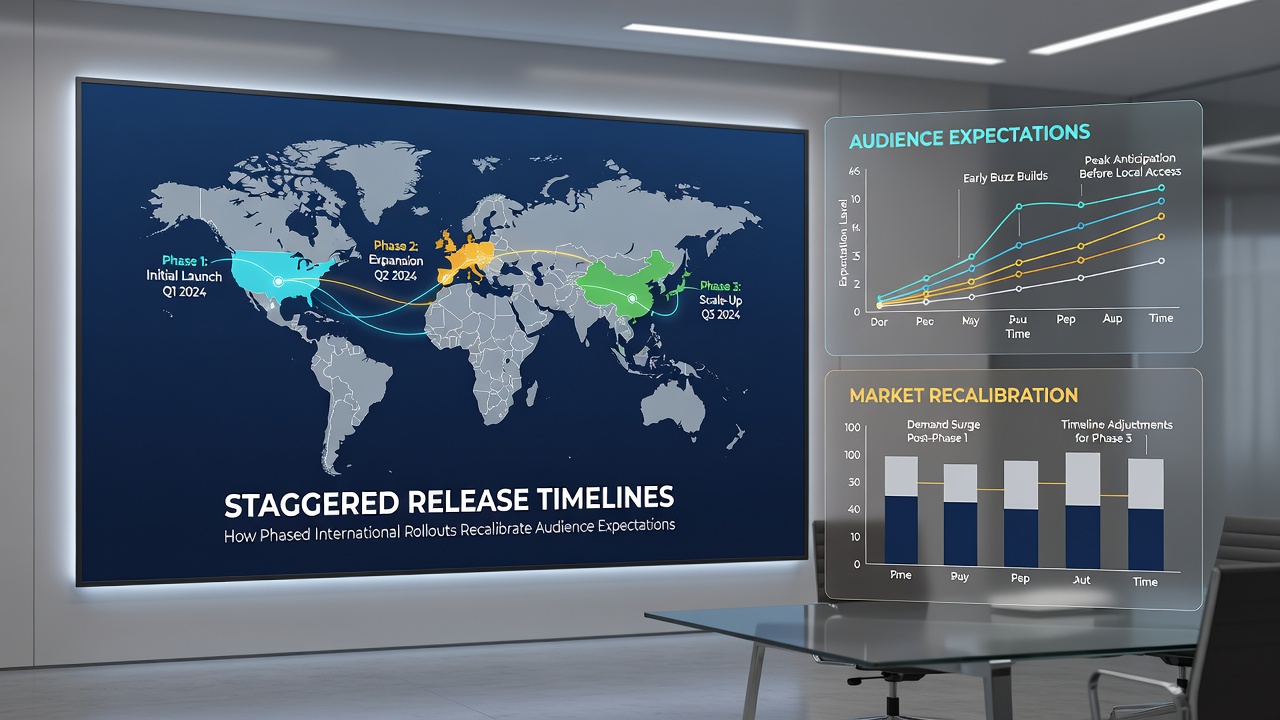
Those who track online discussion patterns find that staggered timelines reduce simultaneous global speculation, which in turn allows expectations to build around confirmed details rather than unverified rumors. European Audiovisual Observatory reports highlight how regional premiere timing influences the volume and focus of audience commentary, with markets receiving films later showing narrower but more precise interest in multi-genre transitions.
Case Examples from Recent Ensemble Projects
One production that utilized phased rollouts featured an ensemble cast navigating science fiction, thriller, and romantic subplots, and its staggered schedule permitted distributors to test genre emphasis in different cultural contexts before full expansion. Data shows that audiences in later territories entered screenings with adjusted assumptions about pacing and character arcs after absorbing early market responses. Another title blending historical drama with action sequences followed a similar timeline in 2025, where international gaps enabled localized campaigns that stressed subtextual elements overlooked in the first wave of coverage. Researchers at academic centers studying media distribution have documented how these approaches stabilize expectations by providing incremental information flows instead of single-burst campaigns.
Industry Data on Timing and Engagement
Analysis from the Canadian Media Producers Association indicates that films employing staggered releases often achieve steadier international box office curves compared to simultaneous global drops, because phased patterns let teams address market-specific concerns before wider exposure. Viewers in subsequent regions report forming more layered expectations when they encounter updated materials that incorporate performance insights from prior launches. This process connects directly to multi-genre structures, where tonal variety benefits from gradual reveal strategies that prevent overload in initial promotions.
Conclusion
Phased international rollouts continue to influence how audiences approach multi-genre ensemble projects by distributing information and feedback across sequential markets. Evidence from distribution records and audience metrics confirms that these timelines recalibrate anticipation toward informed engagement rather than uniform speculation, and the pattern shows no signs of diminishing as studios refine coordination methods for future releases.